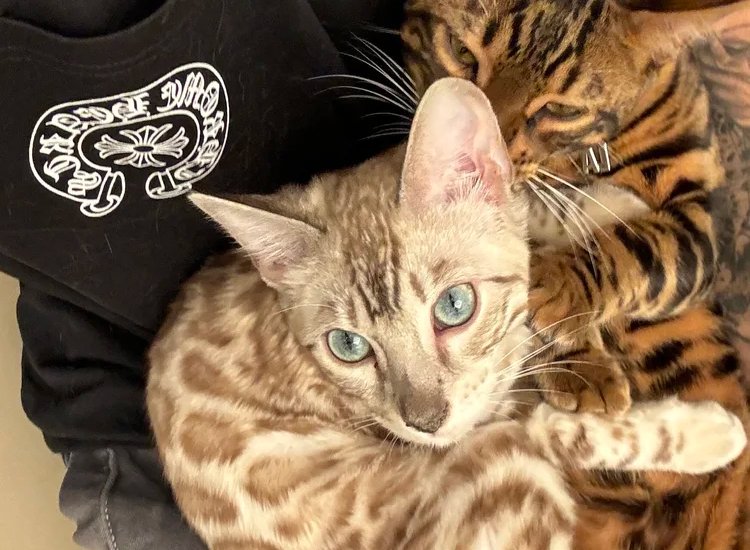
The Bengal cat species is one of the most striking and beloved domestic cat breeds in the world. Known for their exotic leopard-like appearance, playful nature, and highly intelligent personality, Bengals are much more than just a pretty face.
In this guide, you’ll learn everything about the Bengal cat species, including their history, appearance, personality traits, size, health needs, and care tips — backed by breed standards and expert sources.
Origin: From Wild Ancestors to Domestic Companions
The Bengal cat is a hybrid breed created by crossing a domestic cat (Felis catus) with the Asian Leopard Cat (Prionailurus bengalensis), a small wild feline native to Asian forests.
The breed’s name comes from the leopard cat’s scientific name, and it was developed in the United States during the late 20th century to combine a wild look with a friendly domestic temperament.
Early Bengal generations (like F1, F2, F3) are genetically closer to their wild ancestors. Most Bengal cats kept as pets today are F4 or later, meaning they are several generations removed from wild lineage and behave very much like typical domestic cats.
Appearance: What Makes the Bengal Look “Wild”
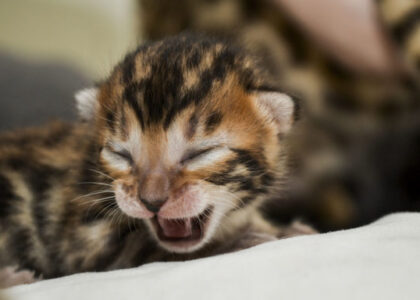
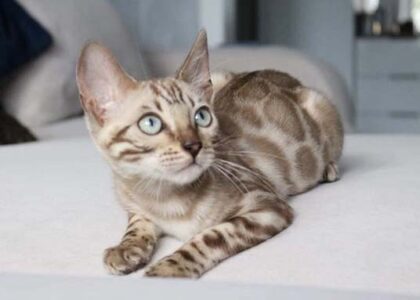
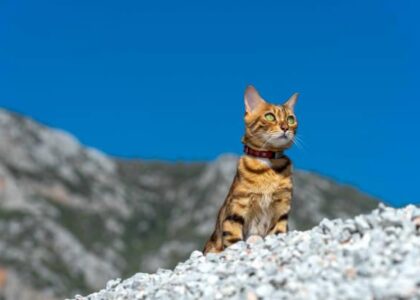
One of the defining traits of the Bengal cat species is its exotic coat. Bengals have short, dense fur with breathtaking spot, rosette, or marbled patterns — often compared to the look of a leopard or ocelot.
Their coats are sleek and soft, sometimes with a shimmering “glitter” effect that catches the light, making the colors pop even more.
Typical coat colors and patterns:
- Brown spotted or rosetted Bengal
- Snow variations (seal lynx, mink, sepia)
- Silver and charcoal Bengals
- Rare “glitter” coats with iridescent sheen
Bengals also have expressive eyes, medium-large ears, and a muscular, agile build that sets them apart from most other domestic cat breeds.
Size & Growth: Medium to Large Domestic Cats
Unlike their wild Asian leopard ancestors, modern Bengal cats are fully domestic. But they still retain a strong, athletic physique.
- Weight: About 8 to 15 pounds (males generally larger than females)
- Height: Around 8–15 inches at the shoulder
- Body: Long, muscular, and well-balanced
This makes them medium to large-sized cats, often larger and more powerful than many common domestic breeds.
Personality: Intelligent, Energetic & Social
The Bengal cat species is known as one of the most active, curious, and intelligent domestic cat breeds.
Common personality traits include:
- Highly energetic: Bengals love playing, climbing, and exploring.
- Inquisitive and interactive: They often “chat” with their owners using chirps, trills, and meows.
- Loves stimulation: Puzzle toys, climbing trees, and interactive play are essential to keep them engaged.
- Affectionate yet independent: Bengals bond strongly with their families but still maintain independent streaks.
- Unusual love of water: Many Bengals enjoy playing with water more than most cats.
They thrive in environments where they receive attention, playtime, and mental activities that challenge them.
Health & Lifespan: What Owners Should Know
Bengal cats are generally healthy but can be prone to certain genetic conditions, so responsible breeding and veterinary care are important.
Common health concerns include:
- Hypertrophic Cardiomyopathy (HCM): A heart condition seen in many cat breeds.
- Progressive Retinal Atrophy (PRA): A genetic eye disease.
- Pyruvate Kinase Deficiency (PKD): A blood enzyme disorder.
With proper nutrition, regular veterinary check-ups, and preventive care, Bengal cats can live 12–16 years or more.
Care Requirements: Keeping a Bengal Happy
Bengals do best in enriched environments that support their natural athleticism:
🐾 Diet & Nutrition
A high-protein diet supports their active lifestyle. Quality wet and dry food is recommended by many breeders and vets.
🧠 Stimulation & Play
Interactive toys, climbing towers, and daily play sessions help curb boredom and destructive behavior.
🛁 Grooming
Despite their luxurious coats, Bengals require minimal grooming — usually weekly brushing is sufficient.
🩺 Vet Care
Routine vaccinations, wellness checks, and heart screenings are essential for long-term health.
Is a Bengal Cat Right for You?
The Bengal cat species isn’t for everyone. They’re best suited for owners who can:
✔ Provide active engagement and interaction
✔ Offer plenty of space for play and climbing
✔ Maintain a stimulating and enriched home
✔ Commit to long-term health care and nutrition
They’re not typically recommended for first-time pet owners seeking a calm, low-energy cat, but they make loyal, playful companions for the right home.