
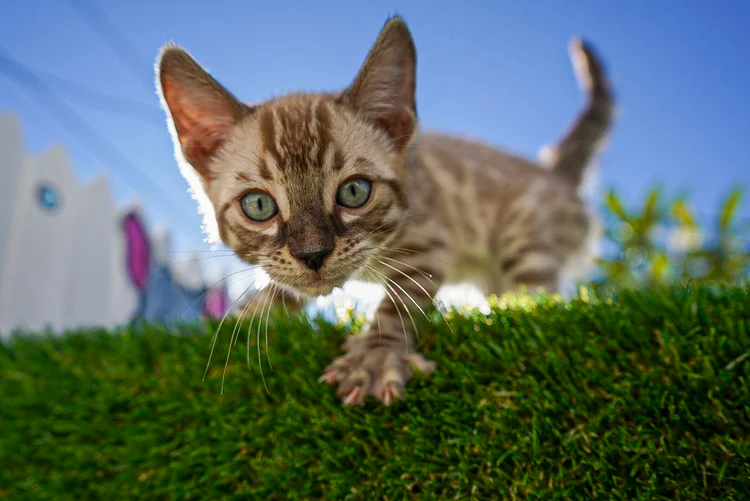
Bengal cats are admired for their wild appearance and high energy, but one of the most searched questions about the breed is surprisingly practical: Are Bengal cats healthy, and how long do they live?
This guide covers Bengal cat health, lifespan, common concerns, and what owners can do to support a long, happy life.
How Long Do Bengal Cats Live?
On average, Bengal cats live between 12 and 16 years, with many reaching their late teens when properly cared for.
Key factors that influence lifespan:
- Genetics
- Diet quality
- Mental and physical stimulation
- Regular veterinary care
Indoor Bengal cats generally live longer than outdoor or free-roaming Bengals.
Are Bengal Cats a Healthy Breed?
Overall, bengal cats are considered a healthy and robust breed. They are athletic, muscular, and naturally active, which supports long-term health.
That said, like all purebred cats, Bengals can be prone to certain genetic conditions if not responsibly bred.
Common Health Considerations in Bengal Cats
Some health topics commonly researched by potential owners include:
- Digestive sensitivity
- Heart health (hypertrophic cardiomyopathy)
- Dental health
- Joint and muscle strain due to high activity
Choosing reputable breeders and scheduling regular vet checkups greatly reduces risk.
Bengal Cat Diet and Its Impact on Health
Because Bengal cats are highly active, nutrition plays a major role in their wellbeing.
Healthy diet tips:
- High-quality protein as the primary ingredient
- Minimal fillers and artificial additives
- Proper hydration (many Bengals enjoy running water)
A balanced diet supports muscle tone, coat quality, and long-term vitality.
Mental Health Matters for Bengal Cats
One overlooked aspect of Bengal cat health is mental stimulation.
Bengal cats require:
- Interactive toys
- Puzzle feeders
- Climbing and exploration space
- Daily engagement with humans
Without stimulation, boredom can lead to stress-related behaviors.
Bengal Kittens: Building a Healthy Foundation
Bengal kittens are energetic from an early age. Early care sets the stage for long-term health.
Important early steps:
- Proper socialization
- Routine vet visits
- Balanced kitten nutrition
- Safe play environments
Healthy habits formed early can add years to a Bengal cat’s life.
How Bengal Cats Compare to Other Breeds
| Breed | Average Lifespan | Health Needs |
|---|---|---|
| Bengal Cats | 12–16 years | Moderate |
| Siamese | 12–15 years | Moderate |
| Maine Coon | 10–14 years | Higher |
| Persian | 10–13 years | High |
Bengal cats rank well in both longevity and overall health.
Why Health-Focused Searches About Bengal Cats Are Trending
As Bengal cats grow in popularity, more people are searching for:
- “Are Bengal cats healthy?”
- “Bengal cat lifespan”
- “Bengal cat care tips”
This makes health-focused content highly valuable for Google rankings.
Final Thoughts
Bengal cats are not only beautiful and intelligent—they’re also strong, resilient companions when cared for properly. With the right diet, enrichment, and veterinary support, Bengal cats can enjoy long, active, and healthy lives.
For owners who are willing to invest time and attention, Bengal cats offer years of energy, affection, and companionship.